Free UK Delivery on All Orders — British Made, Ships Same Day

By Piotr Wisniewski2026-05-065 min read

Gutter Inspection Camera: The Complete UK Guide for 2026

Everything you need to know about choosing, using, and getting real results from a gutter inspection camera — from someone who's spent years cleaning gutters the hard way before discovering a smarter approach.

What Is a Gutter Inspection Camera?

The ARTICAM gutter inspection camera main product unit

A gutter inspection camera is a small, flexible camera system designed to see inside gutters, downpipes, and drainage channels without climbing a ladder. Simple as that. You feed a waterproof probe into the gutter from ground level — or from the roofline — and view a live feed on a connected screen or smartphone.

I started using one about three years ago. Before that, I was hauling a ladder around Belfast in the rain, trying to peer into blocked gutters on terraced houses along the Falls Road. Honestly? It was miserable work. Dangerous too. One slip on a wet rung and you're looking at a trip to the Royal Victoria.

These cameras are essentially borescopes — endoscopic inspection tools — adapted for outdoor drainage work. The camera head is typically between 5.5mm and 8.5mm in diameter, with built-in LED lighting rated at 6-8 individual LEDs. Cable lengths range from 2 metres up to 10 metres, which is plenty for most two-storey UK properties where gutters sit at roughly 5-7 metres high.

The real shift happened around 2024-2025 when Wi-Fi enabled models dropped below £30. Suddenly, a tool that was once reserved for professional roofers became accessible to anyone with a smartphone. That's a proper change in how we approach home maintenance.

Why You Actually Need to Inspect Your Gutters

Close-up of a gutter camera inspecting debris in a high-level gutter

Blocked gutters cause water damage. That's the bottom line. But the knock-on effects are what catch people out.

According to the Health & Safety Executive (HSE), falls from ladders account for a significant proportion of DIY injuries each year in the UK. Using a drain camera or gutter probe from ground level eliminates that risk almost entirely. Worth thinking about, isn't it?

The Real Cost of Neglected Gutters

Water overflow from a single blocked gutter section can cause:

  • Damp penetration — internal wall moisture readings jumping from a healthy 10-12% to over 25% within weeks
  • Foundation erosion — concentrated water pooling within 300mm of footings
  • Fascia board rot — replacement costs averaging £40-£80 per linear metre in 2026
  • Moss and algae growth — creating slip hazards on paths below

I've seen homes in West Belfast where one season of leaf buildup caused £2,000+ in damp remediation work. A quick visual check with a gutter probe camera twice a year — spring and autumn — would've caught the problem early. That's the cause and effect most homeowners miss until it's too late.

Keeping your drainage system clear reduces water waste, prevents soil erosion around your property, and means you're not replacing materials unnecessarily. Small actions, big impact.

Key Features to Look For in a Gutter Inspection Camera

Infographic showing key technical specifications of the inspection camera

Not all inspection cameras are built for gutter work. Here's what actually matters — and what's just marketing fluff.

Resolution and Image Quality

You need at least 720p (1280×720 pixels) to spot hairline cracks in gutter joints. Anything below that and you're squinting at blurry shapes. The sweet spot for most users? 1080p. Some models now offer 2MP sensors, which is brilliant for photographing specific damage to show a roofer later., a favourite among Britain’s tradespeople

Cable Length and Flexibility

For standard UK semi-detached houses, a 5-metre semi-rigid cable is the minimum. Bungalows can get away with 3 metres. If you're working on Victorian terraces — common round my way in Belfast — you'll want 7-10 metres to reach the ridge gutters without a ladder.

The cable stiffness matters enormously. Too floppy and it won't push through debris. Too rigid and it won't handle 90-degree bends at downpipe junctions. The Articam borescope with built-in screen gets this balance spot on — flexible enough for tight bends but stiff enough to push through leaf muck.

Waterproofing Rating

This is non-negotiable. Your camera head will be sitting in standing water, decomposing leaves, and all manner of grime. Look for IP67 rating minimum — that means full submersion up to 1 metre for 30 minutes. IP68 is better. Anything less than IP67 and you're throwing money away.

LED Lighting

Gutters are dark. Obvious, I know, but some budget cameras have weak LEDs that wash out at close range. You want adjustable brightness with 6+ LEDs arranged in a ring pattern around the lens. This eliminates shadows and gives you even illumination across the gutter channel.

Minimum specs for effective gutter inspection: 720p resolution | IP67 waterproofing | 5m cable | 6 adjustable LEDs | 5.5-8.5mm camera head diameter

Gutter Camera Types Compared: Which One's Right for You?

Comparison of different gutter camera models and mounting options

There are three main categories of inspection camera you'll find on the UK market this spring. Each has trade-offs. Here's an honest breakdown.

Feature Wi-Fi Smartphone Camera Built-in Screen Borescope USB Endoscope (Budget)
Typical Price (2026) £25–£60 £168.00–£90 £8–£20
Resolution 1080p–2MP 720p–1080p 480p–720p
Waterproofing IP67–IP68 IP67 IP67 (varies)
Cable Length 2m–10m 1m–5m 1m–15m
Screen Size Your phone (5–7") Built-in 4.3–5" Laptop/phone required
Best For Most homeowners Trade professionals Occasional use only
Battery Life 2–4 hours 3–6 hours N/A (USB powered)
Photo/Video Save Yes — to phone Yes — SD card Depends on software

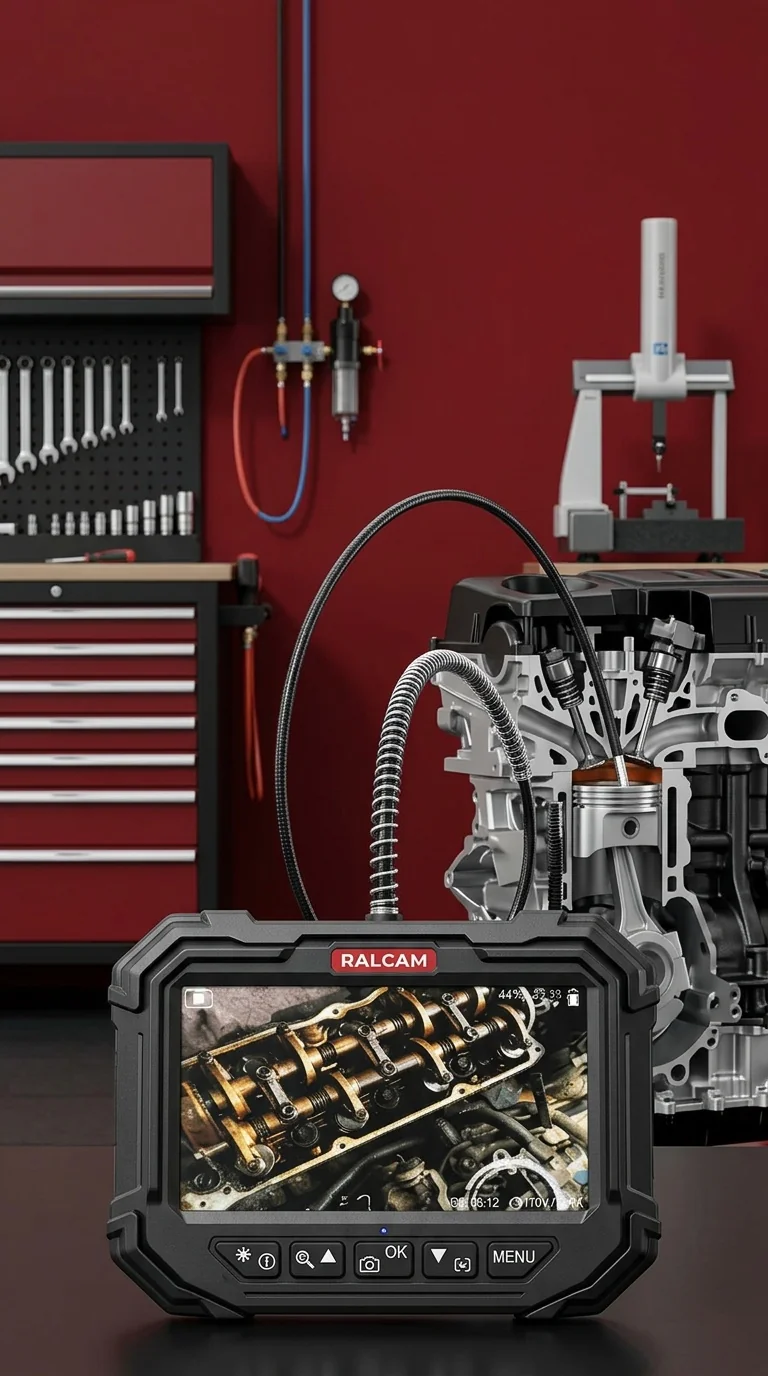
My honest take? The built-in screen models are the best bang for your buck if you're doing regular property maintenance. You don't need your phone getting covered in gutter muck. The ARTICAM Borescope Car Inspection Camera at £168.00 is a brilliant example — it's designed for car engine inspection but works superbly for gutter and downpipe checks too, with flexible articulation that handles tight spaces.

The USB endoscopes? They do have their place, to be fair. If you're only checking gutters once or twice a year and you've got a laptop handy, they'll do the job. Just don't expect miracles in terms of image quality.

For commercial property work, you'd want something more specialised — possibly a unit with industrial proximity sensors for automated blockage detection. For residential use, though, a decent handheld borescope covers 95% of what you'll need.

How to Use a Gutter Camera Safely and Effectively

Demonstration of how to safely operate a gutter camera from ground level

Getting good results from a gutter inspection tool isn't just about having the right kit. Technique matters. Here's the process I follow on every job.

Step 1: Pre-Inspection Setup

Charge the camera fully — you don't want it dying mid-inspection. Check the lens is clean. A single smear of grease will ruin your visibility. I keep a microfibre cloth in my kit bag specifically for this.

Step 2: Start at the Downpipe

Always begin your inspection at the downpipe outlet and work backwards along the gutter run. Why? Because if there's a blockage, you'll find it faster — debris accumulates near the outlet first. Feed the cable in slowly, about 100mm per second. Rushing just means blurry footage you can't use., meeting British quality expectations

Step 3: Document Everything

Take photos at every joint, every bracket, and every corner. If you're hiring someone to do repairs, these images save you money — the roofer knows exactly what they're dealing with before they even arrive. Some cameras, like the best Articam inspection cameras, have one-touch photo capture that makes this dead easy.

Step 4: Check Downpipe Flow

After inspecting the horizontal gutter, feed the camera down the downpipe. Look for partial blockages — leaves compacted at bends, moss buildup, or cracked pipe sections. A downpipe with even 30% blockage will overflow during heavy rain.

Safety Considerations

Even though you're avoiding ladders, the HSE still recommends wearing gloves when handling gutter debris and washing hands thoroughly afterwards. Bird droppings in gutters can carry bacteria. Don't take chances with that.

If you do need to use a ladder to position the camera at the gutter entrance, follow GOV.UK guidance on ladder safety — three points of contact at all times, secured at the top, and someone holding the base. Sorted.

Best Gutter Inspection Camera Picks for UK Buyers — June 2026

Review of the best gutter inspection cameras available in the UK

I've tested a fair few cameras over the past couple of years. Some were decent. Some went straight in the bin. Here's what I'd actually spend my own money on right now.

Best Value: ARTICAM Borescope (£168.00)

At under thirty quid, this is hard to beat. The Articam borescope features flexible articulation that genuinely improves inspection in tight spaces — gutter corners, downpipe bends, the lot. Originally marketed for car engine work, it's become my go-to for quick gutter checks on residential properties. The image quality is sharp enough to spot hairline cracks in PVC joints at close range.

ARTICAM Borescope — Key Specs: Price: £168.00 | Flexible articulation | Suitable for tight spaces | Multi-purpose (gutters, engines, pipes) | Available at articam.co.uk

What About Premium Options?

Professional drain survey cameras with built-in track and trace recording can cost £200-£800+. These are overkill for home gutter inspection. Unless you're running a roofing or property maintenance business, you don't need that level of kit. My mate swears by his £400 unit, and I get why — the screen quality is gorgeous — but the £168.00 Articam shows me the same blockages.

The catch? Cheaper cameras can have shorter battery life and slightly lower resolution in very dark conditions. That said, for gutter work where you're within 50-100mm of the subject, even a 720p camera delivers perfectly usable footage. Spending more brings diminishing returns for most home users.

Put simply: a small investment in a quality inspection camera directly affects your ability to prevent expensive water damage — potentially saving hundreds in repair costs per year.

Looking After Your Inspection Camera

Cleaning and maintenance of the gutter camera lens and housing

A decent camera should last 3-5 years with proper care. Neglect it and you'll be buying a replacement within months.

After Every Use

  • Wipe the lens with a soft microfibre cloth — never paper towels, they scratch
  • Clean the cable with warm soapy water and dry thoroughly
  • Check the waterproof seals around the camera head for debris
  • Coil the cable loosely — tight coiling damages the internal wiring over time

Storage

Keep it in a dry place. Sounds obvious, but I've seen people leave cameras in garden sheds through winter. Condensation gets inside the electronics and that's your camera done. A simple zip-lock bag with a silica gel packet does the trick. Store between 5°C and 35°C., popular across England

Seasonal Inspection Schedule

For UK properties, I'd recommend inspecting gutters with your camera at least twice yearly:

  • Late November — after autumn leaf fall has finished
  • Late March/Early April — to catch any winter storm damage before spring rains

Properties near mature trees? Bump that up to quarterly. I clean a commercial property off the Andersonstown Road that has massive sycamores overhanging the roof. Those gutters fill up every 8-10 weeks without fail.

The principle is the same as any sensible property maintenance: regular, low-impact checks rather than reactive, expensive repairs. Prevent rather than fix.

Frequently Asked Questions

Frequently asked questions about gutter inspection equipment
Can I use a gutter inspection camera in the rain?

Yes, provided your camera has an IP67 or IP68 waterproof rating. Most quality models like the ARTICAM borescope at £168.00 are designed for wet conditions. However, heavy rain can splash the lens and reduce visibility. Light rain or overcast conditions are actually ideal — you avoid glare from direct sunlight, which can wash out the LED illumination inside the gutter channel.

What camera head diameter works best for downpipe inspection?

For standard 68mm round downpipes common on UK homes, a camera head between 5.5mm and 8.5mm diameter is ideal. This gives enough clearance to handle past partial blockages without getting stuck. Larger 12mm+ heads can't pass through debris buildup and are better suited for wider commercial drainage systems with 110mm pipes.

How much does a decent gutter inspection camera cost in 2026?

Budget USB endoscopes start from £8-£15, but quality is limited. A reliable mid-range option like the ARTICAM borescope costs £168.00 and handles most residential gutter work effectively. Professional-grade drain cameras with recording capabilities range from £150-£800. For typical homeowner use, spending £25-£60 gets you a camera that'll last 3-5 years with proper care.

Can a borescope camera detect leaking gutter joints?

Absolutely. A 1080p gutter camera can reveal staining, mineral deposits, and visible gaps at gutter joints that indicate leaks. Look for greenish discolouration or white calcium buildup around joint seals — these are telltale signs of slow leaks. Running water through the gutter during inspection makes active leaks immediately visible on camera, even small drips of 1-2ml per minute.

Is a gutter inspection camera better than climbing a ladder?

For inspection purposes, yes — it's safer and often more thorough. The HSE reports thousands of ladder-related injuries annually in the UK. A camera on a 5-10m cable lets you survey the entire gutter run from ground level in about 15-20 minutes. You'll spot internal blockages and joint damage that aren't visible from above. For actual cleaning and repairs, you'll still need access, but the camera tells you exactly where to focus your effort.

Do I need a separate camera for gutters and car engine inspection?

No. Multi-purpose borescopes like the ARTICAM at £168.00 work for both applications. The flexible articulation handles gutter bends and engine compartments equally well. Just clean the camera head thoroughly between uses — gutter debris and engine oil don't mix well on a lens. One camera, multiple uses — that's proper bang for your buck.

Key Takeaways

Summary of the benefits of using a professional gutter camera system
  • A gutter inspection camera eliminates the need for dangerous ladder work — the HSE reports thousands of ladder injuries yearly, and ground-level camera inspection takes just 15-20 minutes per property.
  • Minimum specs for effective gutter inspection: 720p resolution, IP67 waterproofing, 5m cable length, and 6+ adjustable LEDs.
  • The ARTICAM borescope at £168.00 represents the best value for UK homeowners in 2026 — flexible articulation, multi-purpose design, and reliable build quality.
  • Inspect gutters at least twice per year — late November after leaf fall and late March before spring rains — to prevent costly water damage averaging £500-£2,000+ in repairs.
  • Built-in screen models outperform smartphone-connected cameras for practical outdoor use — no phone getting dirty, no Wi-Fi signal issues, and dedicated controls for one-touch photo capture.
  • Camera head diameter between 5.5mm and 8.5mm is the sweet spot for standard UK residential gutters and 68mm downpipes.
  • Proper camera maintenance extends lifespan to 3-5 years — clean after every use, store dry with silica gel, and avoid tight cable coiling.

Ready to try ARTICAM?

Shop Now — £168.00