Chimney Inspection Camera: Check Your Flue Before You Light Up
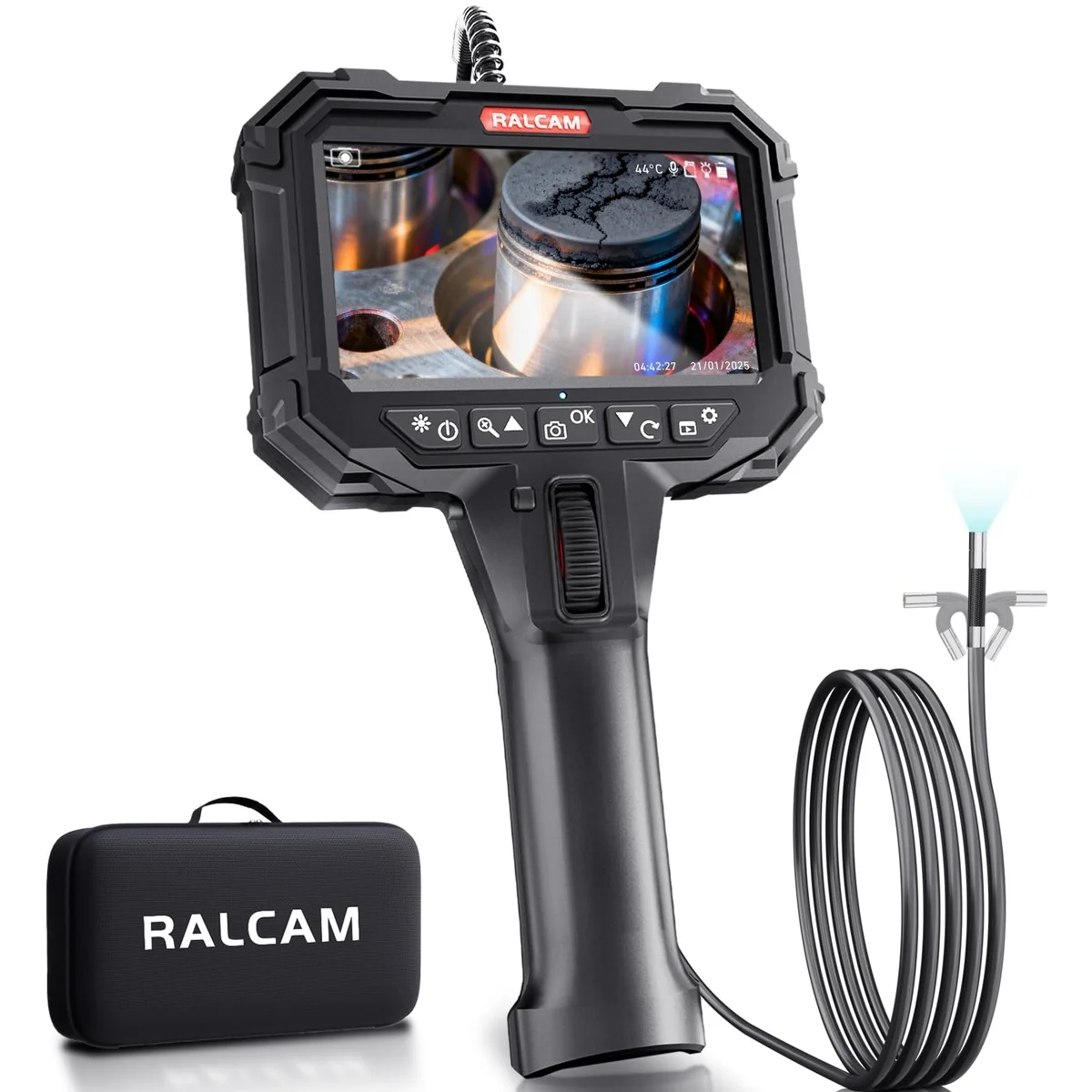
Quick answer: a chimney inspection camera is a slim, steerable camera you feed up the flue from the fireplace or stove to check for jackdaw nests, tar build-up and fallen debris before you light the first fire of autumn. It takes about fifteen minutes, needs no ladder, and tells you whether the flue is clear — or whether you should keep the matches in the drawer until the sweep has been.
Why check the flue before the first fire?
If you live rurally with a log burner or open fire, the risk picture is specific: jackdaws nest in chimney pots in spring, dropping surprising quantities of sticks down the flue, and a season of burning — especially unseasoned wood — leaves soot and tar on the liner. A blocked or heavily tarred flue can push carbon monoxide back into the room or, worse, catch fire inside the chimney. Trade-body guidance is to have solid-fuel flues swept at least once a year, ideally before the heating season.
The practical problem every autumn is timing. The first cold snap arrives, everyone rings the sweep at once, and appointments slip weeks out. A camera check does not replace the sweep, but it answers the question you actually have in late September: is it safe to light tonight, or is something up there?
What a chimney inspection camera shows you
A torch pointed up the flue shows you the first half metre and nothing else. A chimney inspection camera on a steerable probe shows you the parts that matter:
- Nesting debris — jackdaw nests sit on the first ledge or bend they find; you will see sticks, wool and grass bridging the flue.
- Tar and creosote — matt soot is normal; a shiny, glazed coating on the liner is tar and needs professional attention before you burn again.
- Fallen material — broken parging, mortar or brick fragments lying on the smoke shelf or stove baffle.
- Liner condition — obvious gaps, displaced sections or crushed flexible liner.
With a two-way articulating tip you can steer past the damper or first bend and look up the flue rather than at the flue wall — the single biggest advantage over a rigid endoscope or a phone torch.
How to do the check, step by step
- Let the appliance go fully cold — at least overnight. Never put a probe into a warm flue.
- On a stove, remove the baffle plate (most lift out by hand); on an open fire, work through the fireplace opening or register-plate hatch.
- Lay a dust sheet — even a gentle check dislodges soot.
- Feed the probe upward slowly, steering the tip to follow the flue. The ARTICAM connects to your phone over Bluetooth, so you watch on a full-size screen rather than squinting into the opening.
- Photograph anything you are unsure about. A picture of a stick nest or tar glaze lets the sweep quote accurately and bring the right rods — several sweeps will also give a view on a photo over the phone.
A flue is a dry, sooty environment, which suits a dry-rated probe like the ARTICAM — the tungsten-braid sheath shrugs off scuffs against brick and liner. Wipe the lens as you withdraw it.
What you cannot see — honest limits
Be realistic about what a DIY look tells you. A handheld probe reaches the first few metres, not the pot ten metres up; older chimneys with offsets and mid-height bends will stop any handheld camera, and the tar you can see is not a measure of the tar you cannot. A camera check is a go/no-go screen, not a sweep certificate: insurers and stove warranties expect a professional sweep on the usual schedule, and building regulations require a carbon monoxide alarm to be fitted in the same room whenever a solid-fuel appliance is installed — if your setup predates that, fit one anyway, and test it while you are at it. If you see a nest, glaze-like tar, or anything structural, book the professional and do not light the fire first.
Choosing a camera for chimney work
For flue checks specifically, prioritise a steerable tip (to get past the damper and look up the bore), strong LED illumination, and a screen you can hold at a comfortable angle — with a Bluetooth unit like the ARTICAM 5.5mm articulating borescope (£168.00, free UK delivery) that screen is simply your phone. Length matters less than steering: most problems sit within reach of the firebox. For a broader comparison of budget and professional units across every job, see our inspection camera buying guide.
Frequently Asked Questions
How do I check my chimney for a birds' nest without going on the roof?
Work from the fireplace: let the appliance go cold, remove the stove baffle or open the register-plate hatch, and feed a steerable inspection camera up the flue. A jackdaw nest shows up as a plug of sticks at the first ledge or bend. If you find one, book a sweep — active nests (jackdaws typically nest April to June) are protected under the Wildlife and Countryside Act 1981 while in use, so removal has to wait until the birds have fledged and the nest is cold.
Can I use an inspection camera in a chimney that is still warm?
No. Flue temperatures stay high for hours after a fire dies down and will damage the probe. Do the check after the chimney has been cold overnight — ideally before the burning season starts at all.
Does a camera check replace an annual chimney sweep?
No. It tells you whether the flue is obviously blocked or tarred before you light up, and it gives the sweep useful photos, but it does not remove soot and it is not the professional inspection your insurer or stove warranty expects. Keep the annual sweep booked.
Will soot and tar damage the camera probe?
Soot wipes off; the ARTICAM probe wears a tungsten-braid sheath that handles scuffing against brick and liner. Avoid pushing the tip into wet tar, keep the unit out of rain — it is designed for dry environments — and clean the lens as you withdraw.
Key Takeaways
- Check the flue when cold, from the fireplace — no ladder, no roof work.
- Look for stick nests, shiny tar glaze and fallen debris; photograph anything doubtful for the sweep.
- A camera check is a go/no-go screen before the first autumn fire — it never replaces the annual sweep.
- Steerable beats rigid: you need to look up the bore, not at the flue wall.
Check your flue before you light up with the ARTICAM 5.5mm articulating borescope — £168.00, free UK delivery, 30-day returns, 12-month warranty.
Ready to try ARTICAM?
Shop Now — £168.00